
Interpreting Cryo-EM Density Maps with Shuimu BioSciences
In the world of structural biology, Cryo-Electron Microscopy (Cryo-EM) density maps are the cartographer's charts that guide researchers through the labyrinthine landscapes of macromolecular structures. At Shuimu BioSciences, we're the interpreters of these complex maps, deciphering the topography of proteins and nucleic acids with precision and insight. Let's embark on a journey to understand how we read the lines and contours of Cryo-EM density maps.
The Language of Density
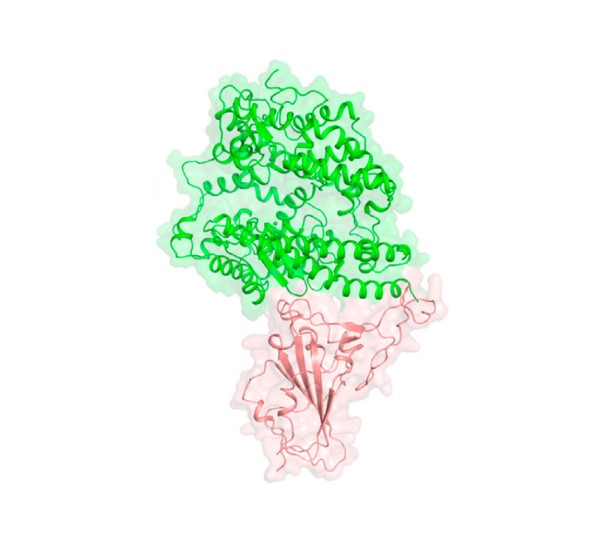
Cryo-EM density maps are like a language of their own, communicating information about the arrangement of atoms within a molecule. These maps are the result of sophisticated computational processes that convert thousands of individual particle images into a 3D representation of the molecule's electron density. To the trained eye, these maps reveal the positions of atoms and the folds of the molecule with stunning clarity.
The Keys to Interpretation
Interpreting a Cryo-EM density map requires a keen eye and a deep understanding of molecular structures. At Shuimu BioSciences, our scientists are well-versed in the keys to interpretation:
1. Resolution: The clarity of the map, which determines how finely we can see the molecular details.
2. Signal-to-Noise Ratio: The quality of the data, which affects the reliability of the map.
3. Symmetry: The inherent patterns in the molecule that can aid in the interpretation of the map.
The Art of Fitting Atomic Models
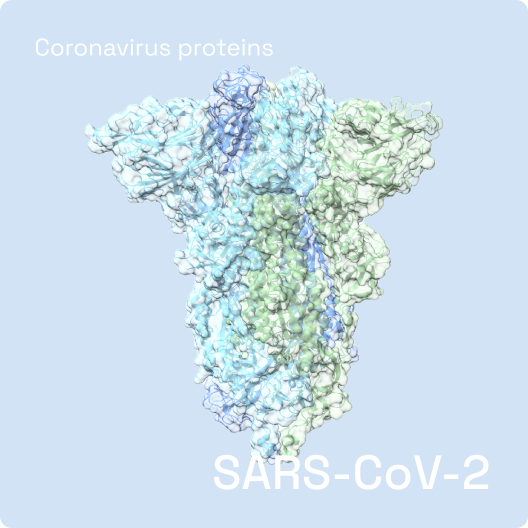
Once a density map is generated, the next step is to fit an atomic model into it. This process is akin to solving a complex jigsaw puzzle, where each piece is an atomic coordinate. Our team uses advanced software to match the atomic model to the density map, ensuring that the model fits the experimental data as closely as possible.
The Power of Validation
Validating a Cryo-EM model is crucial for ensuring its accuracy. At Shuimu BioSciences, we employ a battery of tests to assess the quality of our models. These include the Real-Space Correlation Coefficient (RSCC), the Real-Space Fourier Shell Correlation (RSR), and the Map Quality Assessment Tool (MAPQ). These metrics are our benchmarks for confidence in the model's reliability.
The Impact on Drug Design
The interpretation of Cryo-EM density maps has profound implications for drug design. By understanding the precise arrangement of atoms in a target protein, researchers can design molecules that interact specifically with the protein, potentially leading to more effective and less harmful therapeutic interventions.
Interpreting Cryo-EM density maps is a collaborative effort at Shuimu BioSciences. Our team of experts, including biophysicists, biochemists, and computational biologists, works in concert to extract the maximum amount of information from each map. This interdisciplinary approach ensures a comprehensive understanding of the molecular structures we study.
The field of Cryo-EM is rapidly evolving, and at Shuimu BioSciences, we're committed to staying at the forefront of this technological revolution. We invest in continuous learning and development, ensuring that our team is equipped with the latest knowledge and tools to interpret Cryo-EM density maps with the highest level of accuracy.