
GPCR Protein Structure Insights from Shuimu BioSciences
In the intricate tapestry of cellular signaling, G-protein coupled receptors (GPCRs) are the master weavers, translating a myriad of extracellular signals into intracellular responses. At Shuimu BioSciences, we're the cartographers of these complex proteins, mapping out their structures to gain insights into their functions. Let's delve into the world of GPCRs and the structural insights that are shaping our understanding of these vital molecular gatekeepers.
The Gatekeepers of Cellular Communication
GPCRs are the most abundant group of cell surface receptors, playing a pivotal role in a wide range of physiological processes, from sensory perception to immune response. They are the eyes and ears of the cell, detecting hormones, neurotransmitters, and even light, and they are often the targets of therapeutic drugs.
Unveiling the Structure
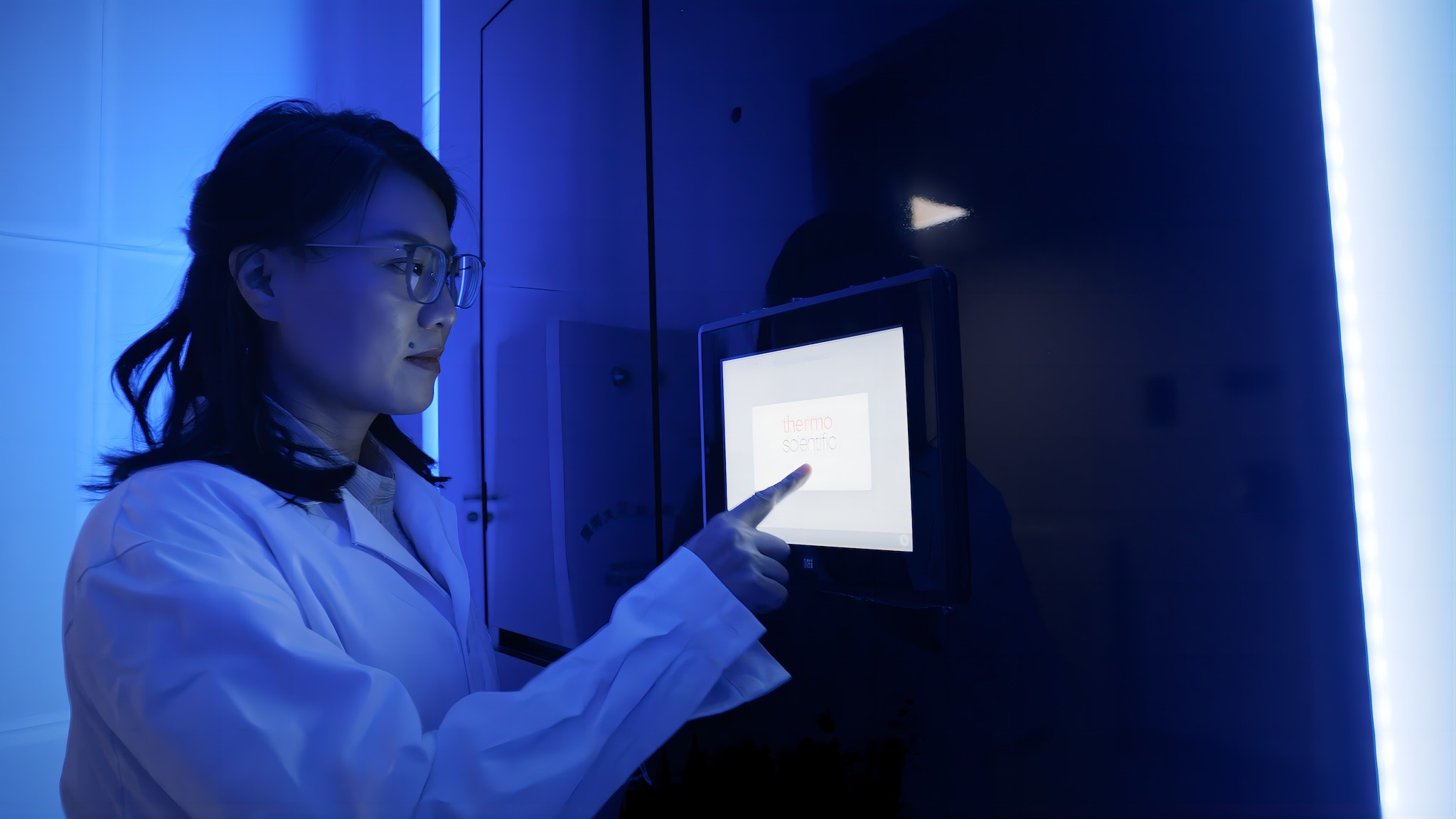
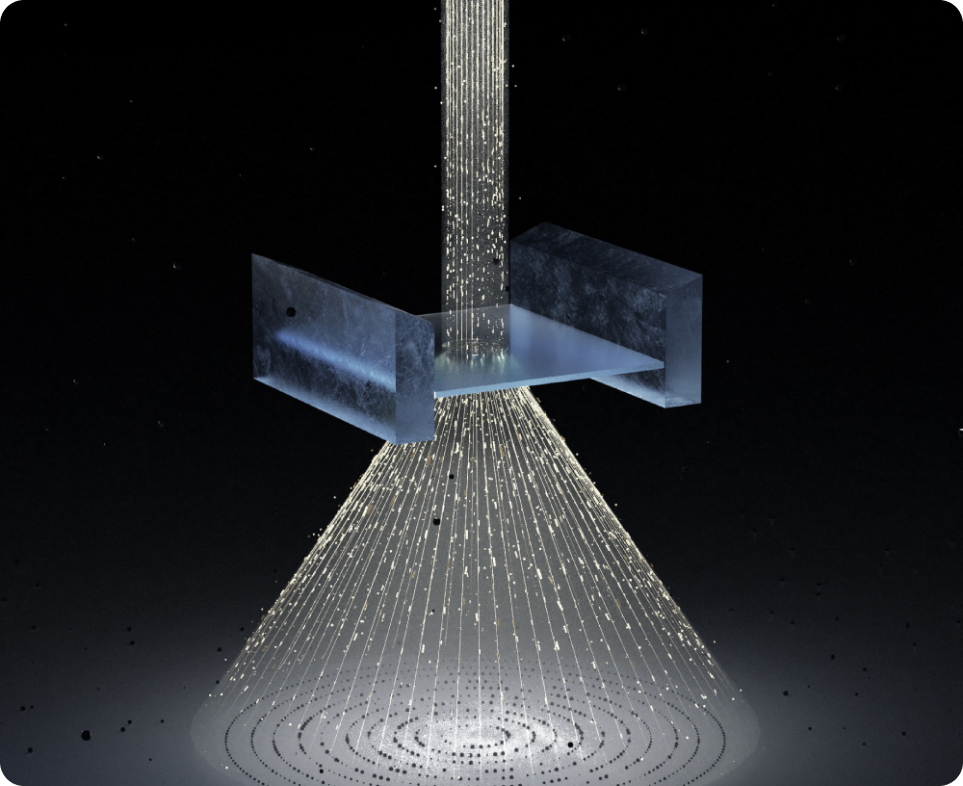
Understanding the structure of GPCRs is akin to deciphering the blueprint of a grand architectural masterpiece. At Shuimu BioSciences, we employ state-of-the-art Cryo-EM techniques to visualize GPCRs at near-atomic resolution, revealing the intricate details of their active sites and the conformational changes they undergo upon ligand binding.
The Dynamic Nature of GPCRs
GPCRs are not static structures; they are dynamic machines that change shape to transmit signals. Our structural insights at Shuimu BioSciences have shown how GPCRs transition between different states, such as active and inactive conformations, which is crucial for their function and for designing drugs that can modulate their activity.
The Importance of Ligand Binding
The binding of a ligand to a GPCR is the trigger for a cascade of events inside the cell. By studying the structures of GPCRs with and without ligands, we can understand the precise interactions that lead to activation. This knowledge is invaluable for developing highly selective and effective drugs.
## Structure-Function Relationships
The structure of a GPCR directly influences its function. At Shuumu BioSciences, we're dedicated to uncovering these relationships. For example, a single amino acid change in a GPCR can alter its response to a ligand, leading to different physiological outcomes. Our research aims to pinpoint these critical residues and understand their roles.
The Therapeutic Potential
With GPCRs being the target of nearly 34% of all prescription drugs, understanding their structures is paramount for drug discovery. Shuimu BioSciences' insights into GPCR structures are helping to design new drugs that can interact with these receptors in novel ways, potentially leading to treatments with fewer side effects and higher efficacy.
Our approach to GPCR research is collaborative and innovative. We work with academic institutions, pharmaceutical companies, and other research organizations to share our findings and to advance the field of structural biology. This collective effort accelerates the pace of discovery and enhances the impact of our work.
At Shuimu BioSciences, we're not just mapping the structures of GPCRs; we're charting a course for the future of precision medicine. With each new insight, we're one step closer to unlocking the full potential of these remarkable proteins.